DTC Strategy: Turning Content into Commerce

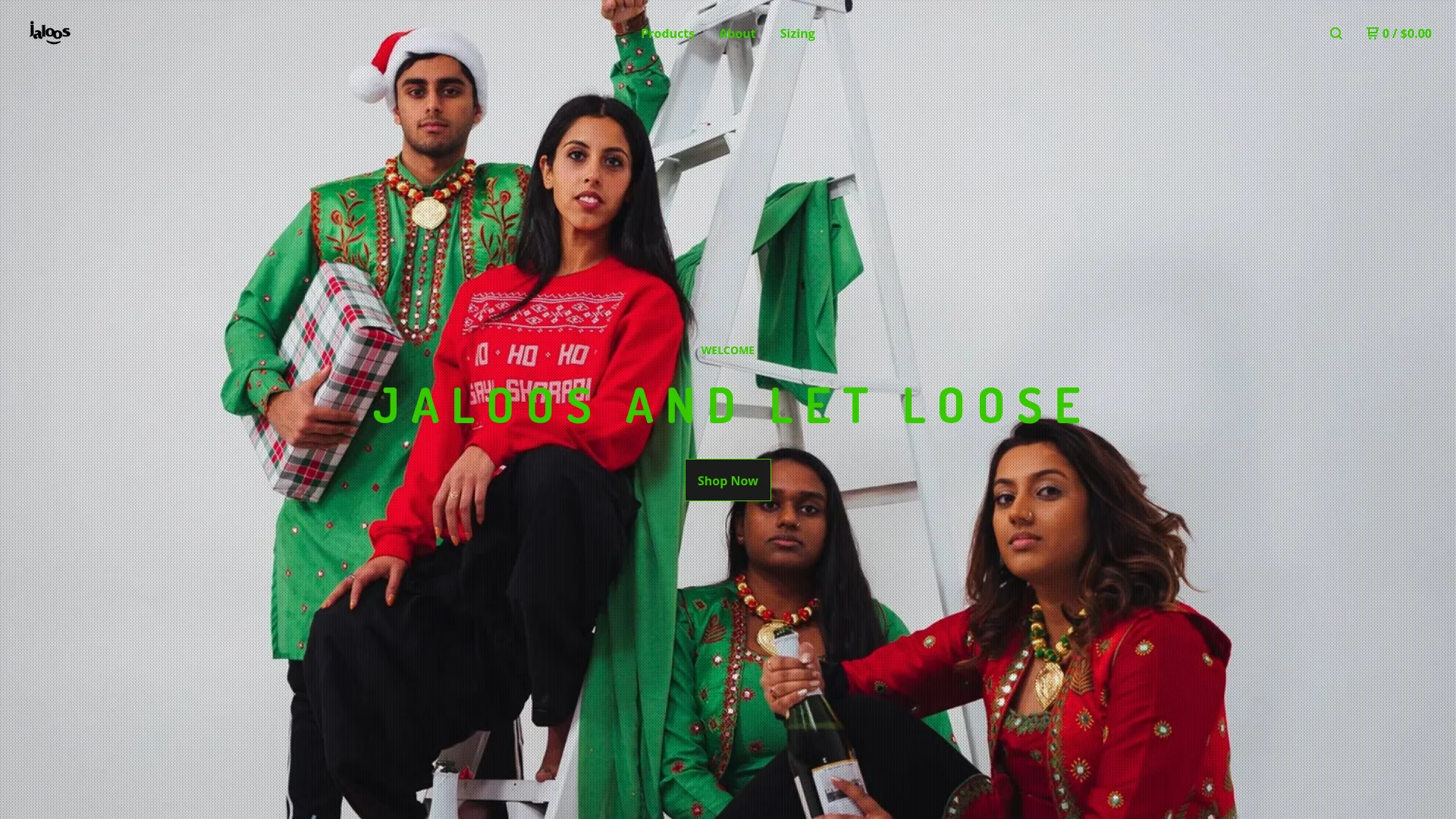
For DTC and e-commerce founders, the default playbook is simple: build a Shopify store, run Meta ads, and pray for ROAS. But what if you could launch and generate serious revenue without spending a dollar on advertising? That's what Jaloos proved. I transformed Jaloos from a media publisher into a Direct-to-Consumer brand by building a Shopify storefront and implementing a high-margin merchandise strategy.
The Challenge

The Friction: The "Audience-Rich, Cash-Poor" Trap

The Ad Revenue Ceiling - Programmatic ad revenue was volatile and low-margin.

Generic Merch Failures - Previous attempts at "swag" failed.

Leaky Funnel - No way to capture and retarget users.

E-Commerce Launch Strategy: The Drop Model

The e-commerce launch strategy flipped the conventional DTC playbook. Instead of paid acquisition, we built a scarcity-driven drop model combined with community-first marketing. Every product release was an event, not just an inventory update. This organic e-commerce growth approach turned customers into marketers. We moved to scarcity-based drops aligned with cultural holidays, creating manufactured urgency. Each drop was a coordinated launch event: we partnered with popular Desi and Brown meme accounts on Instagram to post on our behalf, driving their highly engaged South Asian audiences directly to the Shopify store. This gave us access to exactly our target demographic without paying for traditional ads. We paired this with Klaviyo email sequences: teaser campaigns building anticipation before each drop, launch-day urgency emails, and post-purchase flows to turn one-time buyers into repeat customers.

The Engine

Email as the Cash Cow - Using Klaviyo, we built flows that drove 6.5x ROAS.

Shopify Customization - Frictionless mobile-first storefront.

Product-Market Fit - Analyzed comments to design products.

The Results

Revenue - Generated $122K in first-year direct sales.

Margins - Maintained a 45% Profit Margin.

Loyalty - Achieved a 28% Repeat Purchase Rate.

$122K Direct Sales (Year 1)

6.5x Email ROAS

45% Profit Margin

Why It Worked

We respected the audience and treated them like a community to be served. If you're launching a DTC brand or scaling an e-commerce business and want to explore growth strategies beyond paid ads, this is the kind of thinking I bring to every engagement.

Jaloos LLC E-commerce case study: DTC Strategy: Turning Content into Commerce
E-commerce
$122KSales

DTC Strategy: Turning Content into Commerce

For DTC and e-commerce founders, the default playbook is simple: build a Shopify store, run Meta ads, and pray for ROAS. But what if you could launch and generate serious revenue without spending a dollar on advertising? That's what Jaloos proved. I transformed Jaloos from a media publisher into a Direct-to-Consumer brand by building a Shopify storefront and implementing a high-margin merchandise strategy.

Visit Website

$122K

Direct Sales (Year 1)

6.5x

Email ROAS

45%

Profit Margin

The Gist

Building an audience is one thing; monetizing it is another. Jaloos had cultural influence but relied on inconsistent ad revenue. I engineered a "Drop Model" e-commerce strategy, launching limited-edition merchandise tied to viral content moments. We turned passive viewers into active buyers, generating six-figure revenue with high profit margins and zero paid ad dependencies.

The Challenge

The Friction: The "Audience-Rich, Cash-Poor" Trap

  • The Ad Revenue Ceiling - Programmatic ad revenue was volatile and low-margin.
  • Generic Merch Failures - Previous attempts at "swag" failed.
  • Leaky Funnel - No way to capture and retarget users.

The Approach

E-Commerce Launch Strategy: The Drop Model

The e-commerce launch strategy flipped the conventional DTC playbook. Instead of paid acquisition, we built a scarcity-driven drop model combined with community-first marketing. Every product release was an event, not just an inventory update. This organic e-commerce growth approach turned customers into marketers. We moved to scarcity-based drops aligned with cultural holidays, creating manufactured urgency. Each drop was a coordinated launch event: we partnered with popular Desi and Brown meme accounts on Instagram to post on our behalf, driving their highly engaged South Asian audiences directly to the Shopify store. This gave us access to exactly our target demographic without paying for traditional ads. We paired this with Klaviyo email sequences: teaser campaigns building anticipation before each drop, launch-day urgency emails, and post-purchase flows to turn one-time buyers into repeat customers.

The Execution

The Engine

  • Email as the Cash Cow - Using Klaviyo, we built flows that drove 6.5x ROAS.
  • Shopify Customization - Frictionless mobile-first storefront.
  • Product-Market Fit - Analyzed comments to design products.

The Results

Generated $122K in direct sales in Year 1 with a 6.5x email ROAS and 45% profit margins, all with zero paid advertising spend. The scarcity-based drop model created predictable revenue spikes tied to cultural moments (Diwali, Eid, Vaisakhi), with some drops selling out in under 24 hours. Built an email list of 15K+ engaged subscribers through Klaviyo that became the primary revenue driver, proving that a loyal community monetizes better than a large but passive audience. $122K in revenue with zero ad spend isn't a hack. It's a strategy. For Shopify store owners and DTC founders who want to build a brand that doesn't depend on paid advertising, this case study shows what community-led e-commerce growth actually looks like in practice.

  • Revenue - Generated $122K in first-year direct sales.
  • Margins - Maintained a 45% Profit Margin.
  • Loyalty - Achieved a 28% Repeat Purchase Rate.

*Results represent approximate figures as of 2022.

Why It Worked

We respected the audience and treated them like a community to be served. If you're launching a DTC brand or scaling an e-commerce business and want to explore growth strategies beyond paid ads, this is the kind of thinking I bring to every engagement.

Frequently Asked Questions

Can you launch an e-commerce brand without paid ads?

Yes, if you have a compelling product and a distribution strategy beyond advertising. Jaloos used scarcity-driven drops, community engagement, and viral social content to generate $122K without ad spend. The key was building anticipation before each drop and making the product feel exclusive.

What is a scarcity-based drop model for e-commerce?

Instead of always-available inventory, products are released in limited quantities at scheduled times (drops). This creates urgency, drives social sharing, and builds a community of engaged buyers who return for each release. It works especially well for lifestyle, fashion, and cultural brands.

How do you drive e-commerce sales through community marketing?

Build the community before the product. Engage authentically on social media, share behind-the-scenes content, and make your audience feel like insiders. When the product drops, they're already invested. At Jaloos, the community became the marketing engine.

Related Services